Beyond The Metrics: Grassroots Advocate Exposes The Human Cost Of Uganda's Energy Injustice

KAMPALA, Uganda — In a striking call for accountability, frontline environmental defender and climate justice advocate Otim Geofrey has warned that top-down renewable energy initiatives are failing the vulnerable communities they claim to protect.
Speaking in an interview moderated by Nassanga Clare, Geofrey highlighted a stark reality: while macro-statistics show that over 60% of sub-Saharan Africa struggles under an intense energy burden, the localized human cost is far more devastating. In Uganda alone, energy injustice and exposure to indoor air pollutants claim more than 13,000 lives annually.
The True Weight Of The Energy Burden
According to Geofrey, the energy burden is fundamentally about safety, reliability, and economic strain. In informal settlements such as the Thailand and Giza zones, residents are trapped in a cycle of poverty driven by a lack of clean utility options.
Families are forced to rely on hazardous traditional fuels like charcoal and firewood. This reliance is both ecologically damaging and financially crippling. Currently, a single 50-kilogram sack of charcoal costs between 90,000 and 100,000 Ugandan shillings (around 25 €) — a pricing structure that disproportionately impacts women-led households.
To map the physical toll of this crisis, Geofrey recently conducted localized air quality monitoring using an AirBeam 3 monitor, tracking Particulate Matter 2.5 (PM2.5). The data revealed a stark divide between green spaces and urban settlements:
| Location / Zone | Environmental Factors | PM2.5 Levels & Health Impact |
| Local Schools | Tree canopy, green cover, urban gardens | 6 to 12 mass per cubic meter (Healthy/Stable) |
| Informal Settlements (Thailand & Giza) | Charcoal cooking, waste burning, polluted drainage channels | Devastating (Unhealthy for sensitive groups, including the elderly, pregnant mothers, and PWDs) |
The Illusion Of Community Consent
A central theme of the discussion was the predatory nature of "community consent" protocols utilized by international developers and researchers. Moderator Nsanga Claire noted that community members frequently sign technical consent forms written exclusively in English just to bypass lengthy meetings, often incentivized by minor tokens like snacks or drinks.
"Meaningful community consent is more than just calling people to attend meetings and making them sign papers. Information has to be communicated in the local language of the participants so they actually understand what they are signing and how it benefits them in the long run."
Geofrey criticized the industry trend of deploying short-term projects where developers "promise heaven and earth" — including green jobs and environmental protections — only to abandon the area once data collection or initial construction concludes. He insists that developers must maintain long-term accountability, co-designing projects alongside local stakeholders like youth counselors and LC1 chairpersons.
Outdated Policies And Corporate Bias
The transition to clean energy is further bottlenecked by obsolete regulatory frameworks and skewed financing mechanisms. Geofrey pointed out that Uganda’s Renewable Energy Policy of 2007 is profoundly outdated and no longer reflects current grassroots realities.
Furthermore, international climate financing continues to favor massive, established corporations while systematically starving local, youth-led enterprises that manufacture and distribute clean cookstoves and briquettes.
"Financing has to reach grassroots enterprises. Most of the youth are trying to see how they can make these clean cooking technologies accessible by opening up hubs in their communities, but they lack funding."
Confronting "Green Gentrification"
As neighborhoods begin to electrify, communities face a secondary threat: green gentrification. Rapid urbanization and transition projects frequently trigger spikes in property values, rent, and basic living expenses, ultimately displacing indigenous and low-income residents.
To counteract this, the advocate stressed that energy prices must be subsidized and held at a constant, affordable rate.
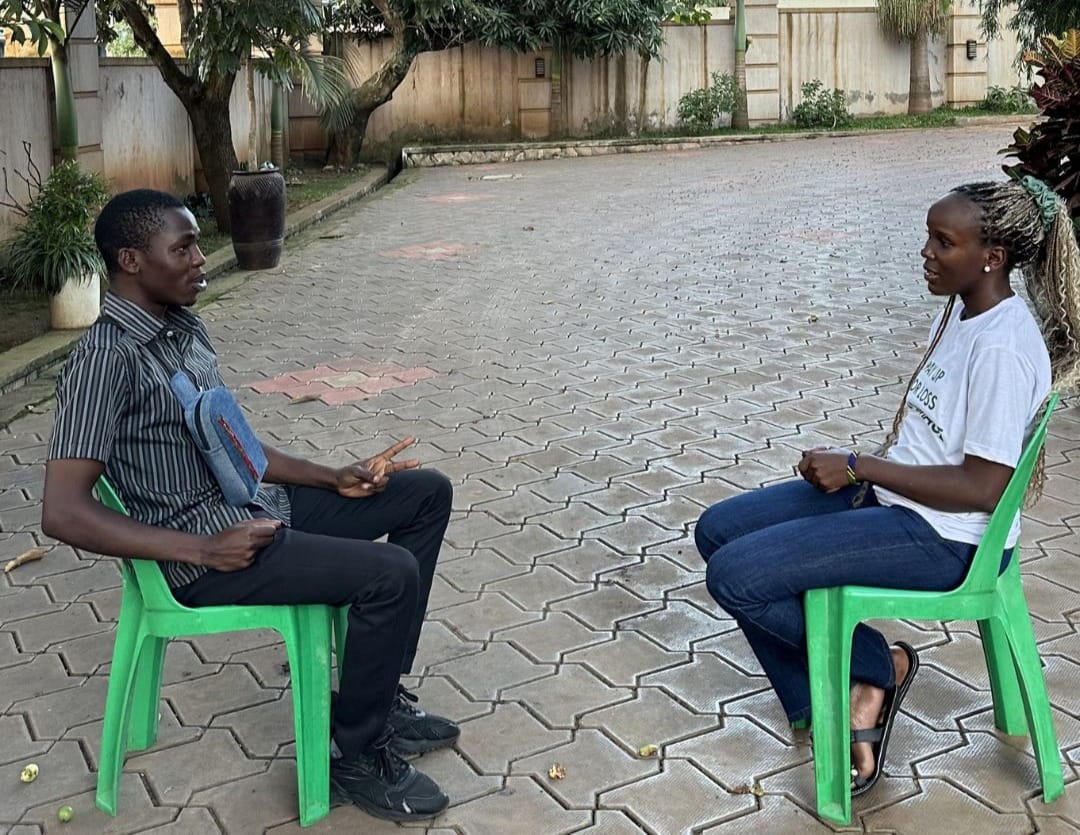
"Energy justice helps us shift the projects from expert-driven ideas to actual solutions that work on the ground. Without structural changes to policy, localized financing, and genuine community integration, the green transition risks mirroring the exact exploitative hierarchies it was meant to dismantle."
– Geofrey Otim, Climate Youth Activist, Uganda.
Geofrey Otim is a Ugandan climate youth actvist with experince in environmental justice.